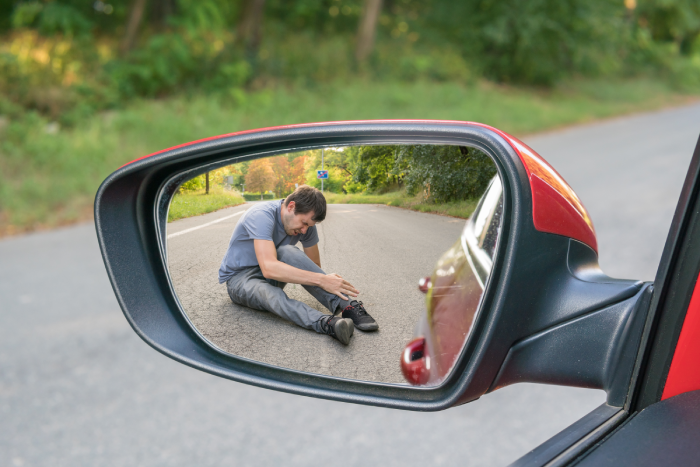
A hit-and-run accident can leave victims dealing with far more than physical injuries. In addition to the stress of a serious crash, many people are left wondering how they will recover compensation when the driver responsible disappears from the scene. These accidents often happen suddenly and create confusion, especially when victims are injured, unable to identify the vehicle, or left without immediate answers from law enforcement or insurance companies.
At Beem & Isley, P.C., our Denver hit-and-run accident attorneys help injured people throughout Colorado pursue compensation after serious crashes involving fleeing drivers. Whether the accident involved a car, truck, motorcycle, bicycle, scooter, pedestrian, or rideshare vehicle, our legal team works quickly to preserve evidence, investigate the collision, and identify every available source of compensation.
Many victims assume they have no legal options if the driver is never located. In reality, Colorado law and uninsured motorist insurance coverage may still provide important financial recovery options. Our injury attorneys help clients understand their rights while handling communication with insurance companies and investigating the accident in detail.
Why Hit-and-Run Cases Are Different
Hit-and-run accident claims are often much more complicated than traditional car accident cases. In a standard auto crash, both drivers exchange information, insurance companies begin their investigations, and liability is usually easier to establish. In a hit-and-run accident, one of the most important pieces of the case immediately disappears when the at-fault driver leaves the scene.
That missing information creates several challenges for injured victims. There may be limited evidence, conflicting witness statements, or uncertainty about what insurance coverage applies. In many cases, the injured person is forced to rely on their own insurance company for compensation, which can create additional disputes and delays.
These cases frequently involve accidents such as:
Hit-and-run crashes are also more likely to involve reckless driving, intoxication, speeding, or uninsured motorists. Drivers who flee the scene are often attempting to avoid criminal charges, financial liability, or arrest.
Because evidence can disappear quickly, early investigation is extremely important in these cases. Surveillance footage may only be saved for a short period of time, witnesses may become difficult to locate, and physical evidence at the scene can be lost within hours.
Common Injuries After a Hit-and-Run Crash
Many hit-and-run accidents result in severe injuries because fleeing drivers are often speeding, distracted, impaired, or driving recklessly before the collision occurs. Pedestrians, cyclists, scooter riders, and motorcyclists are especially vulnerable because they have little physical protection during the crash.
Even accidents that initially appear minor can lead to serious medical complications in the days following the collision. Adrenaline often masks symptoms immediately after an accident, which is why prompt medical evaluation is so important.
Our Denver hit-and-run accident lawyers regularly help clients suffering from injuries such as:
- Traumatic brain injuries
- Concussions
- Spinal cord injuries
- Neck and back injuries
- Broken bones
- Internal bleeding
- Soft tissue injuries
- Facial injuries
- Knee and shoulder injuries
- Nerve damage
- Permanent disabilities
Traumatic brain injuries are especially common in pedestrian accidents, bicycle accidents, and motorcycle crashes involving hit-and-run drivers. Some victims continue dealing with headaches, memory problems, dizziness, concentration difficulties, and chronic pain long after the crash itself.
Severe injuries can also create enormous financial pressure. Many victims are suddenly faced with emergency room bills, surgery costs, rehabilitation expenses, and lost wages while trying to physically recover from the accident.
How Drivers Are Identified After a Hit-and-Run
One of the first questions most victims ask is whether the driver who fled can actually be found. While not every hit-and-run driver is identified immediately, many cases involve evidence that can help investigators locate the responsible vehicle.
At Beem & Isley, P.C., we work quickly to investigate hit-and-run accidents before important evidence disappears. Denver businesses, traffic intersections, parking garages, and residential areas often contain surveillance footage that may help identify a fleeing vehicle or confirm details about the crash.
Evidence commonly used in hit-and-run investigations includes:
- Traffic camera footage
- Surveillance video from nearby businesses
- Witness statements
- Vehicle debris
- Paint transfer evidence
- Dash camera recordings
- Cell phone video footage
- Police reports
- Accident reconstruction analysis
- Partial license plate information
Even small details can become important. Witnesses may remember the color of the vehicle, the direction it traveled, or part of a license plate number. In some cases, physical evidence left behind at the scene helps investigators identify the make and model of the vehicle involved.
Quick investigation is critical because video recordings are often erased automatically within days, and witnesses may become harder to locate over time.
Colorado Laws for Leaving the Scene of an Accident
Colorado law requires drivers involved in an accident to stop at the scene, provide identifying information, and offer reasonable assistance to injured people. Drivers who leave the scene without doing so can face serious criminal penalties, especially when the accident results in injuries or death.
Depending on the circumstances, leaving the scene of an accident may result in:
- Felony criminal charges
- Jail or prison time
- Significant fines
- Driver’s license suspension or revocation
- Civil liability for damages
Criminal proceedings are separate from a personal injury claim, but evidence gathered during a criminal investigation may still help support a civil case for compensation.
Hit-and-run laws are especially important in serious pedestrian accidents, bicycle crashes, and fatal motor vehicle collisions. Colorado courts and prosecutors generally treat these cases aggressively because fleeing the scene can delay emergency medical care and increase the severity of injuries suffered by victims.
Why Insurance Companies Fight These Claims
Insurance companies frequently challenge hit-and-run claims because they know the missing driver creates uncertainty and evidentiary problems. Even when victims have uninsured motorist coverage, insurers may still dispute injuries, question medical treatment, or argue that there is insufficient evidence proving how the crash occurred.
In many cases, insurance companies attempt to:
- Minimize injuries
- Delay claim payments
- Dispute medical treatment
- Question witness statements
- Deny uninsured motorist claims
- Shift blame onto the injured victim
This is especially common in accidents involving pedestrians, cyclists, scooters, and motorcycles because insurers often argue the injured person contributed to the accident in some way.
Insurance Coverage After a Hit-and-Run Accident
Many victims are surprised to learn that compensation may still be available even if the driver responsible is never identified.
Uninsured motorist coverage, commonly called UM coverage, often applies in hit-and-run accidents involving unidentified drivers. Depending on the policy and circumstances, compensation may be available for:
- Medical expenses
- Lost wages
- Rehabilitation costs
- Pain and suffering
- Future medical treatment
- Permanent disability
- Emotional distress
Determining what coverage applies can become complicated, especially when multiple insurance policies are involved. Our attorneys carefully review insurance policies and work to identify every available source of recovery for injured clients.
What To Do Immediately After a Hit-and-Run Accident
The steps taken after a hit-and-run accident can significantly affect both physical recovery and the strength of a legal claim. Seeking medical treatment should always be the top priority, even if injuries initially seem minor.
If possible after the accident, it is helpful to:
- Call 911 immediately
- Request medical attention
- Photograph the scene
- Document vehicle damage
- Speak with witnesses
- Preserve video footage
- Write down details about the fleeing vehicle
- Obtain a police report
- Contact a hit-and-run accident lawyer
Even small details about the vehicle can help investigators identify the driver later. Information such as the vehicle’s color, direction of travel, body style, or visible damage may become important evidence.
Speak With a Denver Hit-and-Run Accident Lawyer Today
If you were injured in a hit-and-run accident in Denver or anywhere in Colorado, Beem & Isley, P.C. is ready to help. Our Denver hit-and-run accident attorneys offer free consultations, and you pay nothing unless we recover compensation for you. Call (303) 894-8100 or contact our office online to discuss your case with an experienced Colorado hit-and-run lawyer today.
Frequently Asked Questions About Hit-and-Run Accidents
Can I still recover compensation if the driver who hit me was never found?
Yes. In many cases, uninsured motorist coverage may still provide compensation even if the at-fault driver is never identified.
How long do I have to file a hit-and-run claim in Colorado?
Colorado generally gives accident victims three years to file claims involving motor vehicle accidents, although waiting too long can hurt your case.
What if I only remember part of the license plate?
Partial information may still help investigators identify the vehicle through surveillance footage, witness statements, or police databases.
Should I report a hit-and-run accident to police?
Yes. Reporting the accident immediately is important for both criminal investigation purposes and insurance claims.
Do I need a lawyer after a hit-and-run accident?
These cases are often complicated and heavily disputed by insurance companies. An attorney can help preserve evidence, investigate the accident, and pursue compensation.