

Contact us
Get Your Free Consultation
Initial consultations are free, and we offer evening and weekend appointments upon request. Let us know what you’re going through and we’ll reach out with your next steps.


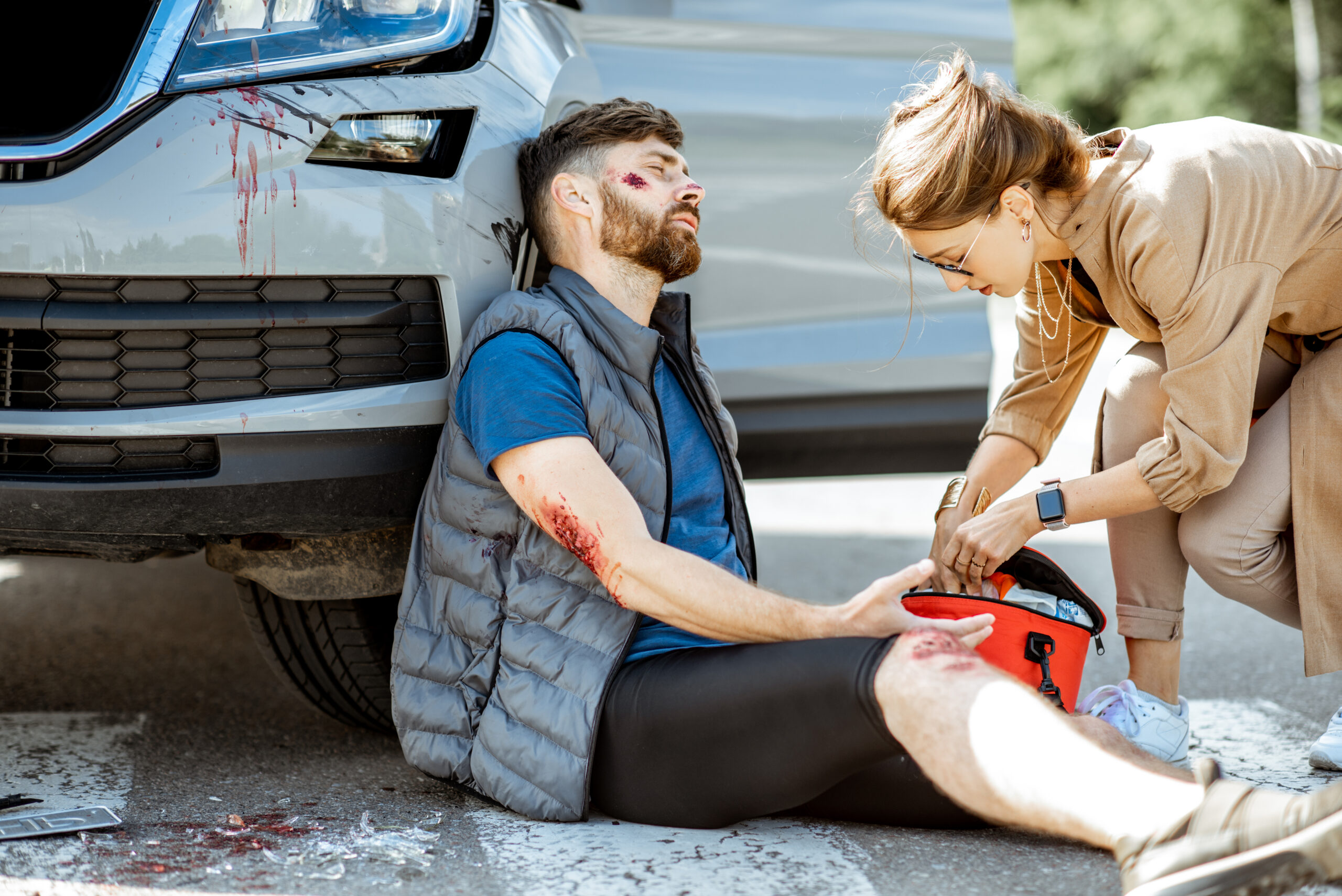
Yes, Colorado has Good Samaritan laws, but there isn’t one single statute that covers every situation. Instead, Colorado has several targeted laws that may protect qualifying emergency aid, overdose reporting, AED use, and certain locked-vehicle rescues. None of these laws acts as a universal shield for every act or every injury that results from one.
At Beem & Isley, our personal injury attorneys help injured people and families understand where these protections actually apply and where they don’t, since a Good Samaritan law doesn’t automatically erase every injury claim connected to an emergency.
If you were hurt during or after an emergency situation in Colorado, call (303) 894-8100 to talk with our team.
People often refer to “the Good Samaritan law” as if it’s a single rule, but Colorado actually has multiple statutes that apply to different situations, different types of responders, and different kinds of immunity.
Matching the right statute to the right set of facts matters, since the protections, conditions, and exceptions vary depending on what kind of emergency conduct is involved.
Colorado law generally provides civil liability protection for people who render emergency care or assistance in good faith. Whether someone qualifies for this protection can depend on their role at the scene, whether they had any pre-existing duty to act, and the specific circumstances surrounding the emergency.
Good Samaritan protections generally have limits, and conduct that rises to the level of gross negligence or willful and wanton behavior may fall outside the scope of the immunity. Because the exact statutory language and case law define these limits precisely, this is an area that requires careful legal review rather than a general assumption about what is or isn’t covered.
Whether someone was paid for their assistance, whether they hold a professional license related to the care provided, whether an employer was involved, or whether the person had a preexisting duty to act can all change how a Good Samaritan analysis plays out. These situations require a close review of the applicable statute and the specific facts involved.
Colorado’s overdose-related immunity law addresses a different concern than general emergency-aid protection. It generally relates to specified arrest and prosecution exposure for people who seek help during an overdose when certain conditions are met.
This isn’t blanket immunity from all consequences; it’s a targeted protection tied to specific circumstances, and it doesn’t extend to unrelated criminal conduct or civil liability outside its scope.
You can review the current text of Colorado’s statutes through the Colorado General Assembly’s statutes portal.
Colorado law addresses situations where someone breaks into a locked vehicle to rescue a person or animal in danger. Generally, this kind of protection depends on following a specific sequence of steps:
Colorado also addresses the use of automated external defibrillators (AEDs) through its own statutory framework, which covers emergency use of the device as well as certain maintenance and placement obligations for entities that keep AEDs on-site.
Changes to this area of law took effect in 2025 and 2026, which makes it especially important to verify exactly which person or entity is protected under the current version of the statute rather than relying on older information.
Good Samaritan immunity, where it applies, generally addresses conduct connected specifically to the emergency response itself. It typically doesn’t resolve separate questions like what caused the underlying emergency in the first place, unrelated negligence, a product defect, a dangerous property condition, negligent entrustment of a vehicle or equipment, or conduct that occurred before the emergency began.
Even when a responder’s conduct may be protected, that doesn’t necessarily mean no one is responsible for what happened. Depending on the facts, an injured person may still have claims against:
If you were injured during or after an emergency response, certain evidence can be important to preserve, including:
Good Samaritan protections in Colorado are conditional, statute-specific, and often more limited than people assume. Just because emergency aid was involved doesn’t mean every possible claim is automatically off the table.
Our team can review the specific facts of your situation against the applicable Colorado statute, identify which protections may genuinely apply, and determine whether another party outside that immunity may still bear responsibility for what happened. Whether your situation involves a car accident, a catastrophic injury, a brain injury, or a wrongful death claim, our Colorado personal injury lawyers are ready to help you sort out where the law actually stands.
Request an injury case review with Beem & Isley at (303) 894-8100 today.
Qualifying Good Samaritan immunity may protect you, but the answer depends on the specific facts, your role at the scene, your conduct, and which statute applies to your situation. Not every emergency response automatically qualifies for protection.
No. Overdose-related immunity is conditional and generally limited to specified offenses and conduct connected to seeking help during the overdose. It doesn’t provide blanket protection to everyone present or for unrelated conduct.
Colorado law does provide a framework for this kind of rescue, but it generally requires following specific steps, including confirming imminent danger, trying to locate the owner, contacting authorities first when possible, and using only the force necessary to complete the rescue.
Yes, in many cases. Immunity for one party doesn’t necessarily mean no one is responsible. Other parties whose conduct falls outside the scope of that specific immunity, or who bear responsibility for causing the underlying emergency, may still be liable.