Contact us
Get Your Free Consultation
Initial consultations are free, and we offer evening and weekend appointments upon request. Let us know what you’re going through and we’ll reach out with your next steps.


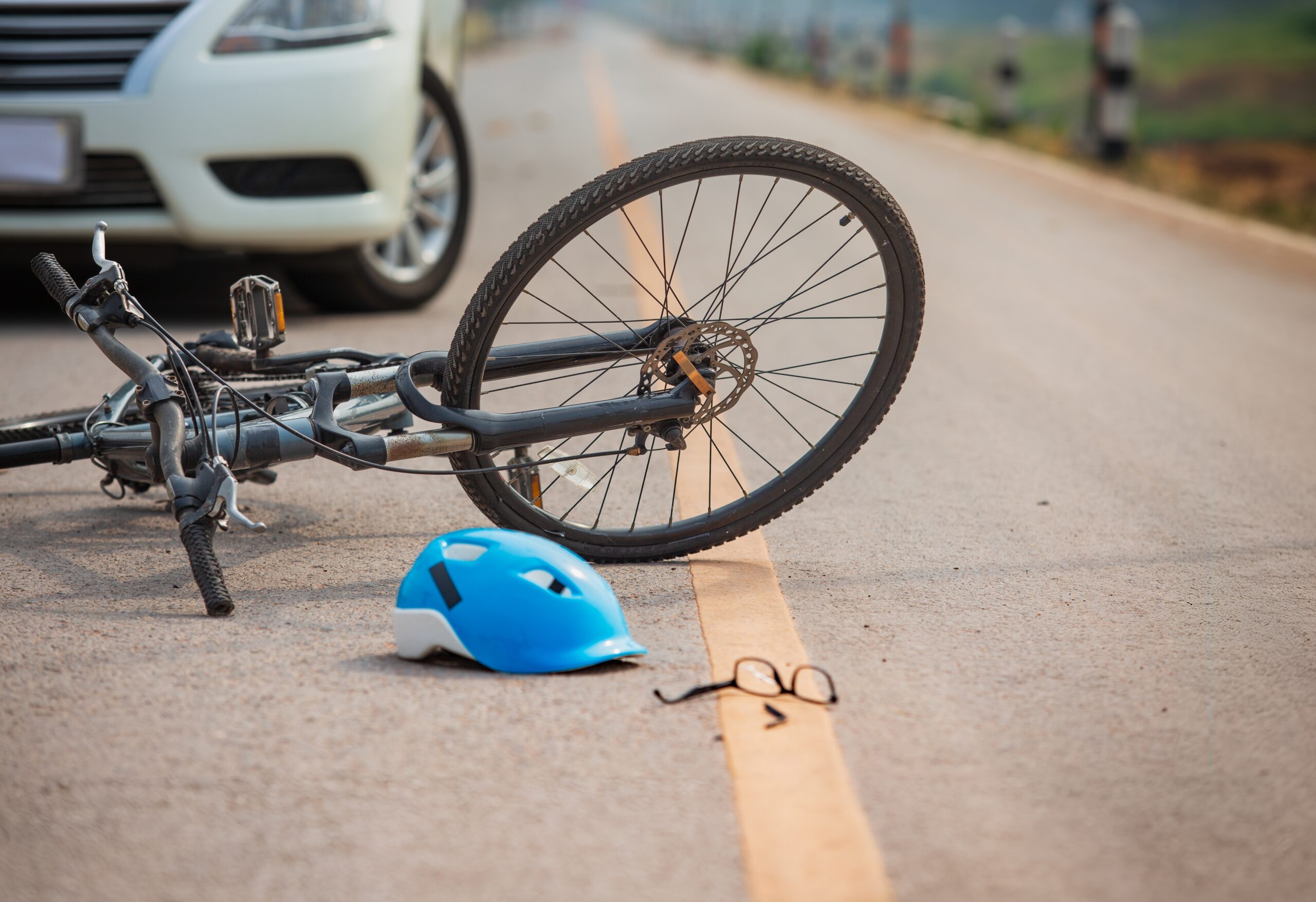
If you were hit while riding your bike in Denver, your first steps are to call 911 when necessary, get medical care, identify the driver and any witnesses, photograph the scene, and preserve your bicycle and gear. From there, report the collision through the proper channel and notify the applicable insurers, without giving a rushed recorded statement before you understand your options.
At Beem & Isley, we help injured Denver cyclists navigate the reporting process, identify every applicable insurance policy, and build a claim that accounts for the full impact of the crash. If you were hit while riding your bike, call (303) 894-8100 to talk with our team.
If you’re able, follow these steps at the scene:
Reporting your crash creates an official record that can matter later, even if the collision seems minor at first. Denver police generally respond to crashes involving injury or significant property damage, and in some cases a report can be completed through an Accident Alert process rather than an in-person response.
Get the incident or case number before you leave the scene if possible, exchange information with the driver, and request a copy of the official crash report through Denver police once it becomes available.
If you’re able to safely do so, document the following:
Don’t repair, dispose of, or wash your bicycle, helmet, lights, or clothing before they’ve been documented. If an insurance company wants to inspect these items, agree on a documented preservation plan first rather than handing them over without a record of their condition.
This evidence can help establish the mechanics of the crash and is often difficult or impossible to recreate once it’s gone.
Bicycle crashes frequently cause injuries that aren’t immediately apparent, including head injuries, fractures, internal injuries, spinal and soft tissue injuries, road rash, and dental injuries. Symptoms connected to these injuries can take hours or days to fully develop.
A medical provider is best positioned to evaluate your condition and determine what care you need. Follow their clinical judgment rather than assuming an injury isn’t serious just because it doesn’t hurt right away.
Several potential sources of coverage may apply to a Denver bicycle crash, depending on the circumstances:
Not every policy will apply to every case, and identifying which coverage is actually available requires a review of the specific facts and policies involved. Call Beem & Isley at (303) 894-8100 to find out which sources of coverage may apply to your situation.
While the driver who struck you is often the focus of a claim, other parties may share responsibility depending on the facts, including:
Colorado law grants cyclists specific rights and imposes specific duties on the road, and understanding these rules can help clarify how fault gets analyzed after a crash. These generally include requirements around passing distance, a designated safety-stop rule for certain intersections, lighting requirements for riding at night, proper turning procedures, and rules around dooring, which occurs when a parked vehicle’s door opens into a cyclist’s path.
You can review these rules in more detail through CDOT’s overview of Colorado bicycle laws. A minor violation of one of these rules by either party doesn’t automatically decide the outcome of a claim; Colorado applies a comparative responsibility standard, meaning fault is generally divided based on each party’s actual conduct.
A strong bicycle accident claim documents the full impact of the crash on your life, not just your immediate medical bills.
Consider organizing:
Some deadlines connected to a bicycle crash claim are considerably shorter than Colorado’s general injury filing limit.
These can include notice requirements for claims involving a public entity, notice deadlines under your own insurance policy, separate timelines for wrongful death claims, and time-sensitive evidence preservation requests.
Because these deadlines vary based on the specific parties and facts involved, prompt attorney review is important rather than assuming the general filing period applies across the board.
Evidence connected to a bicycle crash, from surveillance footage to the physical condition of your bike, can disappear quickly if it isn’t preserved right away. Insurance companies and other parties won’t necessarily wait for you to figure out the process on your own.
Our team can move quickly to secure video footage, identify every applicable insurance policy, and document your bicycle and gear before that evidence is lost. Whether your case connects to Denver bicycle accident claims specifically, broader Colorado personal injury representation, a related car accident claim, pedestrian and vulnerable-road-user injuries, or a brain injury, our team is ready to help.
Request a Denver bike-crash review with Beem & Isley at (303) 894-8100 today.
It’s generally a good idea to report the crash and preserve information anyway. Injuries and repair costs can turn out to be more significant than they initially appear, and a private arrangement without an official record can leave you with limited options if that happens.
Call 911 as soon as possible and provide any description of the vehicle or driver you can recall, along with the license plate number if you saw it. Look for witnesses and nearby video footage, and file an official report. Depending on your coverage, uninsured motorist protection may also apply to a hit-and-run situation.
Possibly. Fault, causation, and the value of your damages all depend on the specific facts of your case, and not wearing a helmet doesn’t automatically defeat a claim on its own. How this factor affects your case depends on the circumstances surrounding your specific injuries.
This generally depends on which insurance policy applies to your property claim, and can involve disputes over valuation, repair estimates, or depreciation, particularly for higher-end bicycles or aftermarket upgrades. Preserving your bicycle in its post-crash condition helps support an accurate valuation of your loss.