
Contact us
Get Your Free Consultation
Initial consultations are free, and we offer evening and weekend appointments upon request. Let us know what you’re going through and we’ll reach out with your next steps.


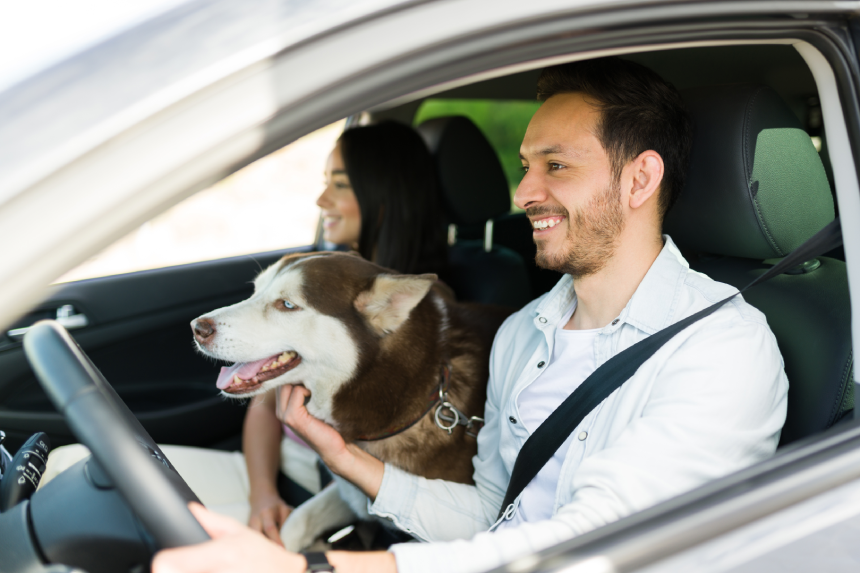
If you are like many Americans, you count a dog or cat as a part of your family. The Insurance Information Institute notes that there are over 94 million pet cats in U.S. households and nearly 90 million dogs, many of which travel with their owners to pet shops, veterinarian offices and accompany them on vacation.
While traveling with your pet can be entertaining, it may also increase the risk of an accident. No matter the pet or its size, there are several ways your pet’s presence in a vehicle may cause this dangerous scenario.
Pets may experience anxiety
Some dogs and cats might enjoy riding in the car with you, but even well-behaved animals can experience fear or anxiety, especially during certain circumstances. For example, if a fire truck or police car passes your vehicle with its siren on, your dog may try to jump into your lap or bump your arm if it becomes alarmed, which may cause you to lose control of your vehicle. Using a car restraint or a pet crate can lower this risk.
Interference with car controls
Small dog breeds, such as Pomeranians and terriers, are often excitable and this could result in disaster for you as a driver if they happen to get underfoot while the car is in motion. A small animal could prevent you from braking and cause a serious rear-end collision and injure your pet as well. Having a passenger hold your pet on a leash during travel may keep you and others safer.
There are over 105 million dog and cat owners in the United States. However, traveling in a vehicle with an unrestrained pet may put you and those you share the road with at risk.