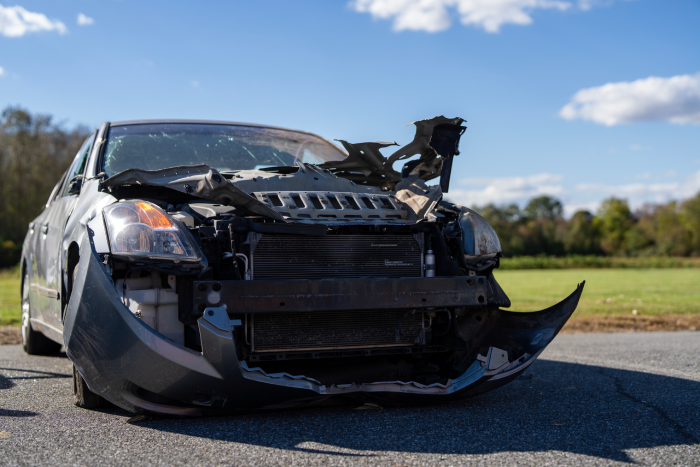
Were you injured in a car accident in Denver? If so, you could be eligible for compensation to cover medical expenses, lost wages, vehicle repairs, pain and suffering, and other losses resulting from a reckless driver.
Call Beem & Isley today at (303) 894-8100 or fill in the form on the page for a free consultation.
Our Denver car accident lawyers are ready to review your case, explain your options, and fight for the compensation you deserve.
Injured In A Car Accident In Denver, Colorado?
Colorado is an at-fault state for car accidents, which means the driver or party who caused the crash can be held financially responsible for the harm that followed.
That usually means the injured person pursues a claim against the at-fault driver’s insurance policy, though the case can become more complicated when multiple drivers, rideshare companies, employers, or uninsured motorists are involved.
Timing matters more than you might expect in these cases.
In Colorado, if you want to file a lawsuit for injuries or property damage from a car accident, you usually have three years to do it.
If you wait too long, you could lose the chance to get compensation.
The state has a modified comparative negligence rule. This law means that if you are found partly at fault for the accident, any money you receive may be reduced by the amount you are to blame.
If your level of fault is the same as or greater than the other party’s, you can’t recover any damages at all.
This highlights the importance of getting legal advice early.
The sooner you investigate your case, the better your chances of preserving important evidence, finding witnesses, and building a strong claim.
Why You Need A Denver Car Accident Attorney
Many people assume that a straightforward car crash will result in an easy insurance claim. Unfortunately, that’s often not the case.
Even when the fault appears clear, insurance companies frequently seek ways to minimize payouts.
They might argue that your injuries were preexisting, that your medical treatment was excessive, or that you share some of the blame. They may even contend that you’re trying to claim more than what your case is worth.
Our skilled Denver car accident attorney can help level the playing field.
A lawyer will thoroughly investigate the accident, gather relevant reports and records, assess your insurance coverage, calculate the damages, communicate with insurance adjusters, and prepare your case for litigation if necessary.
How A Car Accident Lawyer Helps Maximize Compensation
When making an injury claim, good documentation is crucial as it impacts your case’s outcome.
Our skilled legal team will explain your experience and connect the accident to your losses, detailing its effects on your health, job, income, and daily life.
The goal is to illustrate how the incident could influence your future and fight for the compensation you deserve.
Ready To Start Your Free Consultation? Call (303) 894-8100 or Fill Out the Form on the Page Today!
Common Causes Of Car Accidents In Denver
Car accidents happen for many reasons, but most of them trace back to negligence. A driver may be distracted, speeding, impaired, careless at an intersection, or following too closely in heavy traffic.
Denver drivers also deal with weather changes, downtown congestion, highway traffic, construction zones, and mountain travel, all of which can raise the risk of serious crashes.
Distracted Driving
Distracted driving remains one of the most common causes of preventable crashes.
Looking at a phone, adjusting navigation, eating, talking to passengers, or simply losing focus for a few seconds can be enough to cause a rear-end collision or intersection crash.
Even a brief distraction can have major consequences when traffic slows suddenly.
Speeding And Reckless Driving
Speed affects both crash risk and injury severity. A speeding driver has less time to react and may hit with far greater force.
Reckless driving can also include weaving through traffic, tailgating, failing to yield, or ignoring traffic signals. In many cases, these behaviors create clear evidence of negligence.
Drunk Driving Accidents
Alcohol- and drug-related crashes often lead to severe injuries or fatalities.
A driver who is impaired may have reduced reaction time, poor judgment, and a greater chance of drifting into another lane or running a light.
Criminal charges may arise in these cases, but a civil injury claim is a separate matter and may still be necessary to pursue financial recovery.
Types Of Car Accidents We Handle
Car accident claims are not all alike, and taking the right approach for different types of cases is crucial. The force of impact, road layout, vehicles involved, and the point of collision can all shape liability and the severity of the injuries.
Some cases are relatively straightforward, while others may require a much deeper investigation.
Multi-Vehicle Accidents
A crash involving three or more vehicles can quickly become complicated. One driver may start the chain reaction, but other drivers may also contribute by following too closely, changing lanes unsafely, or failing to stop in time.
In these cases, determining who is at fault and by what percentage can be one of the biggest legal challenges.
Hit-And-Run Accidents
A hit-and-run crash can leave an injured person feeling trapped. If the at-fault driver cannot be found right away, the case may shift toward uninsured motorist coverage.
Our firm has served the Denver community since 1968, making us well-qualified to navigate Colorado statutes and insurance practices following serious crashes.
Rear-End, Head-On, And T-Bone Collisions
The type of impact often shapes both the liability analysis and the injuries involved.
Rear-end collisions may cause whiplash, back injuries, and concussions.
Head-on crashes can be catastrophic because of the combined force of the vehicles.
T-bone collisions often happen at intersections and may cause major trauma to the driver or passenger sitting on the side that was struck.
Severe Impact Collisions And Liability
A severe impact collision may involve more than one legal issue. There may be disputes over who had the green light, whether a driver was distracted, whether speeding increased the force of impact, or whether a vehicle defect worsened the injuries.
In some cases, accident reconstruction becomes important in showing how and why the crash occurred. Our experienced Denver personal injury attorney can ensure that resources like this are available and used properly.
Some crashes that begin as “car accident” cases turn out to involve commercial vehicles, delivery vans, fleet drivers, or company-owned cars.
These claims can become more complex because business insurance, employer responsibility, and corporate records may come into play.
Commercial Truck Liability Issues
When a commercial vehicle is involved, liability may extend beyond the driver. A company may be held liable for unsafe practices such as:
- negligent hiring
- poor supervision
- lack of maintenance
- pressuring drivers to meet unsafe schedules
Commercial cases also often involve additional evidence, including driver logs, maintenance records, and electronic data.
Motorcycle And Pedestrian Accidents
Car accident pages often overlap with other vulnerable road user claims because many serious crashes involve a person outside a passenger vehicle. A driver who fails to watch for motorcycles, bicyclists, or pedestrians can cause devastating injuries in seconds.
Vulnerable Road Users And Injury Risk
Motorcyclists and pedestrians usually have much less protection than people in cars. Even a crash at lower speeds can lead to brain injuries, fractures, internal injuries, road rash, or fatal trauma.
These cases also can involve unfair bias, especially when insurance companies try to shift blame onto the person who was most exposed.
Rideshare (Uber & Lyft) Accident Claims
Rideshare crashes add another layer of complexity because insurance coverage may depend on whether the app was off, on and waiting for a ride, or active during a trip. Those distinctions can affect what policy applies and how much coverage may be available.
Insurance Complexity In Rideshare Accidents
Rideshare claims often involve personal auto coverage, a corporate rideshare policy, and questions about when the driver was working. Sorting out those issues can take time, and early statements to insurers can affect how the claim is valued or defended later.
Common Injuries After A Car Accident
The injuries from a Denver car accident may range from painful but temporary soft tissue damage to permanent disability. Some people feel the pain right away. Others do not notice the full extent of the harm until hours or days later.
Common injuries in car accident cases include:
- Whiplash and other neck injuries
- Concussions and traumatic brain injuries
- Back injuries and herniated discs
- Broken bones
- Internal injuries
- Shoulder and knee injuries
- Lacerations and scarring
- Chronic pain conditions
These injuries can require extensive treatment, time away from work, and months of disruption. In the most serious cases, they can alter a person’s future earning ability and quality of life.
Traumatic Brain Injuries
A traumatic brain injury can happen even without a direct blow to the head. The force of a crash may cause the brain to move inside the skull, leading to symptoms such as headaches, confusion, dizziness, memory problems, and concentration issues. In more serious cases, the effects may last for years.
Spinal Cord Injuries
Spinal cord and severe back injuries can lead to chronic pain, nerve damage, mobility loss, and long-term medical needs. These cases often require careful medical proof because the full impact of the injury may not be clear in the first days after the crash.
Broken Bones And Soft Tissue Injuries
Broken bones may require surgery, immobilization, and lengthy rehabilitation. Soft tissue injuries can also be serious, even if they do not show up the same way on an X-ray. Insurance companies sometimes undervalue these injuries, especially when they expect the person to “look fine” soon after the crash, but an attorney can ensure that all of your injuries are given proper consideration.
What To Do After A Car Accident In Denver
The hours and days after a crash can affect both your health and your legal claim. Colorado offers the option to file an online crash report if a police officer was not called to the scene, though the state notes that an online report filed by an individual is kept for record purposes only and is not investigated by law enforcement.
The Colorado DMV also says crash reports may take up to 90 days to be entered into the system, and the department maintains crash information for seven years.
Steps To Take Immediately After The Crash
After a crash, it is often important to focus on a few basic priorities:
- Get medical care as soon as needed
- Report the crash and preserve documentation
- Be cautious when speaking with insurance adjusters
Prompt treatment can protect both your health and the record of your injuries. Photos, witness information, and vehicle damage can also become important later if fault is disputed.
How Fault Is Determined In Colorado
Fault in a car accident case is determined by evidence. That can include police reports, witness statements, dashcam footage, photographs, roadway marks, vehicle damage, phone records, and expert analysis. Sometimes liability is obvious.
Other times, both sides blame each other and the dispute becomes a central issue in the case. In cases like this, it is especially important to consult an attorney to ensure your rights are being protected.
Comparative Negligence In Colorado
Colorado uses modified comparative negligence. That means an injured person can recover damages only if their negligence was less than the negligence of the defendant. Any award is then reduced by that percentage of fault. So if a jury finds a plaintiff 20 percent at fault, the damages would be reduced by 20 percent. If the plaintiff is found 50 percent or more at fault, recovery is barred.
This rule is one reason insurance companies often focus so heavily on shifting blame. Even a modest increase in the injured person’s fault percentage can significantly reduce what the insurer must pay.
Understanding Colorado Car Accident Laws
Colorado car accident law involves more than just fault. Deadlines, insurance rules, and damage rules all affect how claims are handled and what recovery may be available.
Statute Of Limitations For Car Accident Claims
Colorado generally gives injured people three years to file bodily injury or property damage claims arising out of the use or operation of a motor vehicle. Missing that deadline can destroy an otherwise valid case.
It is safer to act promptly before the limitations period expires, as evidence can be lost long before the legal deadline arrives.
Colorado also requires drivers to carry liability insurance.
The Colorado General Assembly’s guidance on mandatory automobile insurance states that automobile owners in Colorado are required to carry liability coverage and lists minimum coverages of $25,000 for bodily injury or death to one person, $50,000 for bodily injury or death to all persons in one accident, and $15,000 for property damage in any one accident.
The Colorado motor vehicle handbook repeats those minimums. Colorado law also requires insurers to offer uninsured and underinsured motorist coverage, and that coverage cannot be reduced by setoff from certain other coverages.
Those minimums matter because serious injuries can easily exceed them. When that happens, a lawyer may need to look for additional policies or sources of coverage.
Dealing With Insurance Companies
Insurance companies often sound helpful at first, but their job is to protect the company’s financial interests. That may mean pushing for a recorded statement, requesting broad medical authorizations, or making an early settlement offer before the full extent of the injuries is known.
Insurance Company Tactics To Reduce Payouts
Some common claim tactics include arguing that:
- the injured person was partly at fault
- treatment was delayed or unnecessary
- the injuries were preexisting or exaggerated
A fast settlement can look tempting when bills are piling up, but accepting too early can leave you without enough money to deal with future treatment, missed work, or ongoing pain.
What Compensation Can You Recover?
The value of a Denver car accident case depends on the severity of the injuries, the available insurance, the amount of lost income, the clarity of fault, and the long-term impact on the injured person’s life.
No honest law firm can promise a recovery amount without knowing the facts.
Economic Damages
Economic damages are the financial losses tied to the crash. They may include ambulance bills, hospital costs, surgery, rehabilitation, medication, lost wages, reduced earning ability, and property damage.
Non-Economic Damages
Non-economic damages address the human cost of the accident. These may include pain, suffering, inconvenience, emotional distress, and loss of enjoyment of life. While these aspects of a case can be more difficult to prove and quantify, they are an essential part of your case and your future care.
How Much Is Your Car Accident Case Worth?
This is often the first question we hear from a potential client, and the answer depends on many factors. A case involving a short course of treatment and a full recovery will look very different from a case involving surgery, permanent pain, or an inability to return to work.
Insurance coverage limits also matter. Even a strong case can face practical obstacles when the at-fault driver carries only minimum coverage.
Factors That Affect Case Value
The most important case-value factors often include injury severity, clarity of liability, future treatment needs, lost earnings, available insurance, and whether the injuries permanently affect daily life. A well-documented claim is usually in a stronger position than a claim built on assumptions or incomplete medical proof.
The Car Accident Claim Process
Most car accident cases begin with an investigation and insurance claims. Some resolve through settlement. Others require filing suit and preparing for trial.
Filing A Claim
A claim may start with notice to the insurer, collection of records, and a demand package explaining why the insured driver is liable and what damages resulted from the crash. In a more complex case, that process may involve expert review and additional evidence gathering.
Negotiation And Settlement
Settlement negotiations may begin once the injuries and damages are sufficiently documented to value the case. Some cases settle after direct negotiations. Others require mediation or a lawsuit before meaningful discussions occur.
Going To Trial
Not every case goes to trial, but every serious case should be prepared as if a trial is possible. That preparation can strengthen the case in negotiations and put the injured person in a better position if the insurer refuses to make a fair offer.
Why Choose Beem & Isley For Your Case
Choosing a lawyer after a car accident is a major decision. You want a firm that understands serious injury claims, communicates clearly, and knows how insurers defend motor vehicle cases.
Our Denver personal injury attorneys are ready to help you stand up to profit-driven insurance companies after a car accident. Contact us today for a free consultation!
Our Legal Strategy And Client Commitment
A strong car accident case is about more than filing paperwork. It requires careful investigation, attention to medical proof, awareness of insurance issues, and preparation for litigation when necessary. Just as important, injured people deserve regular updates and honest communication about the strengths and challenges in their case.
Proven Results And Case Experience
Past experience matters because insurers know which firms prepare cases thoroughly and which ones rush to settle. A firm with substantial litigation experience may be better positioned to push back when the defense disputes fault, minimizes injuries, or refuses to pay fair value.
Check out some of our previous case results and let our experience speak for itself.
Frequently Asked Questions About Car Accidents
How Long Do I Have To File A Claim?
Colorado generally gives injured people three years to file a lawsuit for bodily injury or property damage arising out of the use or operation of a motor vehicle. Waiting too long can jeopardize the claim.
What If I Was Partially At Fault?
You may still recover damages if your fault was less than the defendant’s fault, but your recovery would be reduced by your percentage of negligence. If your fault is as great as the defendant’s, you cannot recover damages under Colorado’s comparative negligence rule.
Do I Need A Lawyer For A Car Accident?
Not every crash requires a lawyer, but legal help is often valuable when injuries are serious, liability is disputed, multiple parties are involved, or the insurer is undervaluing the claim. A lawyer can help protect evidence, evaluate coverage, and present the claim more effectively.
Contact Our Denver Car Accident Lawyers Today
If you were injured in a crash in Denver or anywhere in Colorado, you may be entitled to pursue compensation for your medical bills, lost income, pain and suffering, and other losses.
Contact us online or call us at (303) 894-8100 today to schedule your free consultation and get on the road to real results!