


Contact us
Get Your Free Consultation
Initial consultations are free, and we offer evening and weekend appointments upon request. Let us know what you’re going through and we’ll reach out with your next steps.


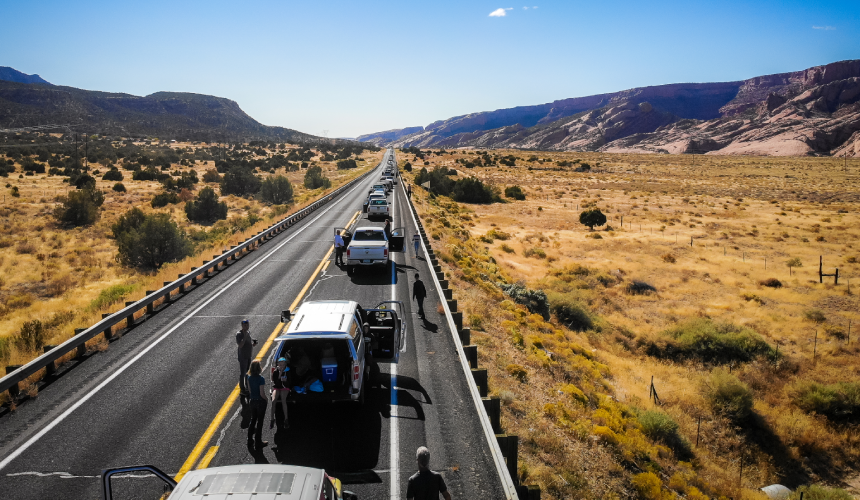
If you recently experienced a car accident on Colorado’s mountain roads or busy highways, you may now face high medical bills and repair costs even though another driver seemed clearly at fault. A work trip, a test drive or a shared business errand can also pull in more than one party.
This guide explains which other people or businesses could share liability, what evidence may establish that link and what effect it may have on the insurance claims you pursue.
You might drive for your employer when a collision happens. Colorado law holds an employer responsible for an employee’s driving when the trip falls within work duties. A salesperson who rides with you on a test drive links the dealership to the crash.
A parent who allows the use of a family vehicle faces claims if that vehicle injures someone. These situations show that liability reaches beyond the driver at the scene. Recognizing these links gives you a clearer view of all potential parties who may share responsibility.
Courts in Colorado examine whether another person or organization directed aspects of your trip and whether both of you acted toward a common purpose. In some circumstances, a passenger or partner may share fault when that person actively guides the trip for a joint objective.
Colorado law follows a modified comparative negligence rule. This generally limits the money you can recover when you hold part of the blame and can stop recovery if your share reaches 50% or more.
A crash tied to work duties, a test drive or another combined activity may give you access to more than one insurance policy. Employer coverage, dealership coverage or a family policy can sometimes apply when another party shares control. You may improve your position when you collect proof early.
Consider taking these steps to build your file:
These actions can widen the coverage you might reach beyond the other driver’s policy and help you identify every party and policy that could pay for your losses.
You do not have to stop at one insurance policy or one at-fault driver. By identifying every party connected to your trip, gathering proof of shared control and checking all available coverage, you give yourself the power to pursue payment from each source that may apply. Start collecting records and contacting insurers now so you can protect your claim and improve your chance of a fair recovery.