

Contact us
Get Your Free Consultation
Initial consultations are free, and we offer evening and weekend appointments upon request. Let us know what you’re going through and we’ll reach out with your next steps.


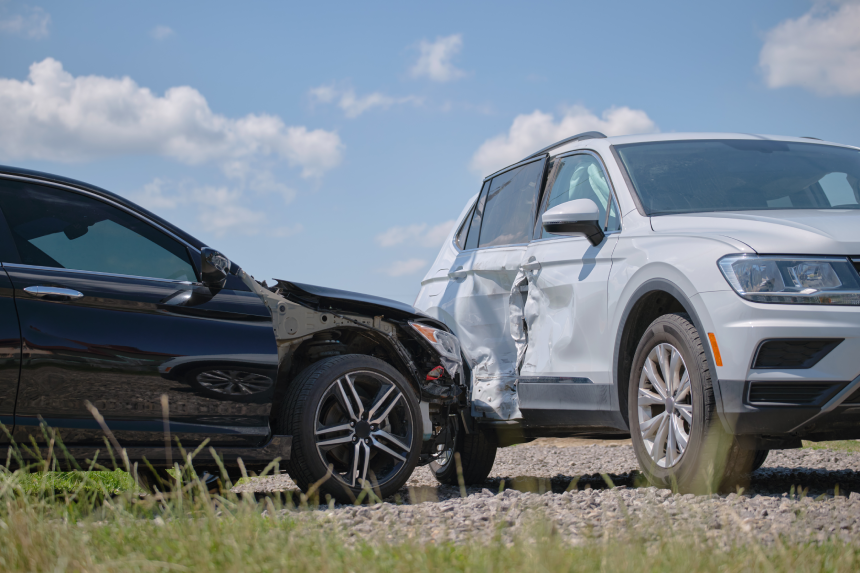
Recent changes to laws related to non-economic losses and other damages in Colorado could affect those involved in car crashes. Legislation signed into law in 2023 updated damage caps in certain areas. People involved in collisions in certain areas, such as I-70 or Colfax, may face a more contentious claims process with insurance providers.
While the policy covering the driver at fault may theoretically help cover the losses of the other people affected by the crash, pushback from insurance companies is quite common when a collision generates major expenses. Those in the Denver area who need to seek compensation after a wreck may require support in understanding the law, the policy that applies and the negotiation process.
When looking at a car insurance settlement offer, there is a standard split that often applies. Frequently, medical expenses account for approximately 40% of the settlement, while lost wages can comprise another 30%. The pain and suffering or non-economic damages of the people affected by the wreck represent the final 30% of the settlement amount.
A demand letter sent to an insurance provider can help ensure that the party in need of compensation receives a fair and reasonable offer. However, those filing sizable claims need to be ready for aggressive negotiations.
Insurance companies often try to minimize what they pay out on large claims. For example, they may establish a life-care plan that undervalues future medical expenses by lumping them all together and minimizing them. Injured parties may need to propose their own plans based on their medical needs.
Other times, insurance professionals come to the table with a lowball offer, which then requires a counteroffer and negotiations. Frequently, reports about the crash and information in the police report prove critical when countering lowball settlement offers from insurance providers.
There are generally three steps that those involved in motor vehicle collisions need to do if they want to protect their right to fair compensation later. The first step is to document everything. People can use their phones and blunt communication with police officers during the crash reporting process to create a verifiable paper trail. Medical records are also important.
The second step is to reject the initial insurance settlement offer. The chances are good that that initial offer is unreasonably low. The third step is to contact Danielle Beem at Beem & Isley, P.C. for a free review by clicking here or calling (303) 894-8100.