

Contact us
Get Your Free Consultation
Initial consultations are free, and we offer evening and weekend appointments upon request. Let us know what you’re going through and we’ll reach out with your next steps.


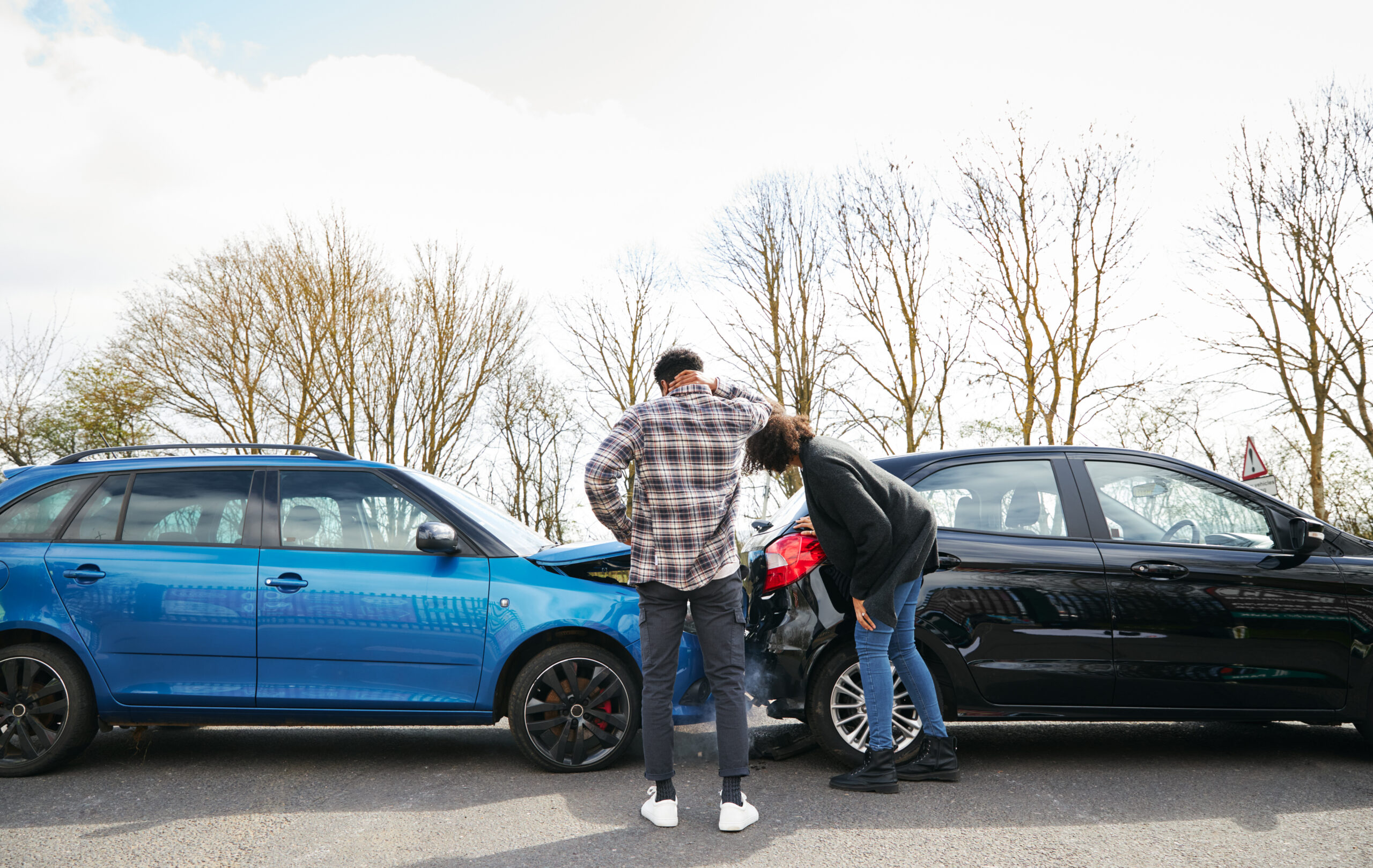
Rear-end accidents happen every day across Colorado highways, city streets, mountain roads, and parking lots. Some happen in heavy Denver traffic. Others happen on icy roads, near stoplights, or when one driver looks away for just a second.
Many people think rear-end crashes are “minor.” But even a low-speed crash can cause real pain, serious injuries, missed work, and expensive car repairs. If you were hit from behind, you may be dealing with neck pain, back pain, medical bills, and calls from the insurance company all at once.
At Beem & Isley, we help injured people after rear-end crashes and other Colorado car accidents. If you have questions about your claim, call (303) 830-7000 for a free consultation.
Rear-end crashes are common because traffic can change fast. One driver slows down. Another driver does not stop in time. In a few seconds, a normal drive can turn into a painful accident.
Rear-end accidents often happen in places like:
Colorado roads can make these crashes more likely. Drivers may deal with heavy traffic, sudden weather changes, slick roads, and fast highway speeds. In Denver and nearby areas, drivers may also face crowded roads during rush hour.
A rear-end crash happens when the front of one vehicle hits the back of another vehicle. The crash may happen at a low speed or a high speed. Either way, the force can throw your body forward and backward very quickly.
That sudden movement can cause injuries that may not show up right away.
If you were hurt in a crash, you can learn more about legal help from a Denver Car Accident Lawyer.
A rear-end accident is a crash where one vehicle hits another vehicle from behind. These crashes often happen when the rear driver is not paying attention, follows too closely, or is going too fast to stop safely.
But not every case is simple. Sometimes several things lead to the crash.
For example, a driver may be texting while traffic slows down. Another driver may brake suddenly to avoid road debris. Bad weather may make it harder to stop. A large truck may need more room than a smaller car.
This is why evidence matters. Photos, police reports, witness statements, dashcam video, and vehicle damage can all help show what happened.
Even if the crash looked simple at first, it is smart to take it seriously.
Two of the most common rear-end accident causes are distracted driving and following too closely. Both problems are dangerous because they give drivers less time to react.
Distracted driving happens when a driver’s eyes, hands, or mind are not focused on the road. It can happen for many reasons, such as:
Looking away for even a second can be enough to cause a crash. If traffic stops and a driver is reading a text, that driver may not brake in time.
Colorado’s hands-free law took effect in 2025. It prohibits drivers from using or holding a mobile electronic device while driving, though hands-free accessories are allowed. The Colorado State Patrol also states that drivers are prohibited from holding or manually using an electronic device for calls, texting, videos, or other uses while driving, unless using a hands-free accessory.
Distracted driving is especially dangerous in rear-end crashes because safe stopping depends on quick reaction time. If a driver is not looking ahead, they may not see brake lights until it is too late.
Tailgating means following another vehicle too closely. It is one of the biggest reasons rear-end collisions happen.
Drivers need enough space to stop safely. The faster a vehicle is moving, the more room it needs. A driver also needs more room when roads are wet, snowy, icy, or crowded.
Tailgating may happen when a driver is impatient, aggressive, or trying to rush through traffic. It can also happen when a driver simply does not understand how much stopping distance they need.
In heavy Denver-area traffic, tailgating can become very dangerous. One sudden stop can cause a chain reaction crash involving several vehicles.
If you were hit from behind, the rear driver may be responsible. But insurance companies may still look for ways to blame you or lower your claim. A lawyer can help protect you from unfair blame.
Speeding makes rear-end crashes more likely and more serious. When a driver speeds, they need more time and distance to stop. If traffic slows down suddenly, a speeding driver may not be able to avoid a crash.
This can happen in many Colorado driving situations, including:
Speeding can also make injuries worse. A faster crash creates more force. That force can damage vehicles and cause serious harm to the people inside.
Drivers have a duty to drive at a safe speed for the road conditions. This does not always mean driving at the posted speed limit. If roads are icy or visibility is poor, a safe speed may be much slower.
Colorado weather can change quickly. A clear road can become snowy, icy, or wet in a short amount of time. Mountain weather can be even more unpredictable.
Weather conditions that can lead to rear-end crashes include:
Bad weather can make it harder to stop. Tires may lose traction. Brake time may increase. Drivers may not see stopped traffic until they are too close. But bad weather does not excuse careless driving.
Drivers still need to slow down, leave more space, and pay close attention. If a driver hits you from behind because they were going too fast for the weather, they may still be responsible. Insurance companies may try to say the crash was “just because of the weather.” That may not be true. A careful driver should adjust for snow, ice, and poor visibility.
Some rear-end crashes happen because a driver is impaired or too tired to drive safely.
Impaired driving may involve alcohol, drugs, marijuana, or certain prescription medicines. These substances can slow reflexes, affect judgment, and make it harder to brake in time.
Fatigued driving can be just as dangerous. A tired driver may drift off, miss brake lights, or react too slowly. In some cases, a driver may experience “microsleep,” which is a very short moment of sleep while still behind the wheel.
This can happen at night, early in the morning, or after a long work shift. It can also happen to truck drivers, delivery drivers, rideshare drivers, and anyone who has been on the road too long.
If a tired or impaired driver caused your rear-end collision, evidence may help prove it. This can include police reports, witness statements, video footage, driving logs, or toxicology results.
In many rear-end collisions, the rear driver is often viewed as the person most likely at fault. This is because drivers are expected to keep a safe distance and stop in time.
But fault is not automatic in every case.
There may be exceptions if:
Colorado uses a comparative negligence rule in injury cases. Under Colorado law, a person’s recovery can be reduced by their share of fault, and recovery is allowed only when their negligence is not as great as the negligence of the person they are seeking damages from.
In simple terms, this means fault percentages matter. If the insurance company claims you were partly at fault, it could lower the amount you may recover. If they place too much blame on you, it could put your claim at risk.
That is why it is important to gather evidence and avoid admitting fault after a crash.
Rear-end crashes can cause many types of injuries. Some are obvious right away. Others may take hours or days to appear.
Common injuries include:
Whiplash is one of the most common injuries after a rear-end crash. It happens when the neck moves forward and backward quickly. This can damage muscles, ligaments, and other soft tissue.
A concussion can also happen, even if you did not hit your head. The force of the crash can cause the brain to move inside the skull.
You should not ignore pain after a crash. Some people feel “fine” at first because of shock or adrenaline. Later, pain may become worse.
Seeing a doctor helps protect your health. It also creates a medical record that connects your injuries to the crash.
If you were injured, a Personal Injury Lawyer can help you understand your options.
The steps you take after a crash can affect your health and your claim.
Here are important things to do after a rear-end accident in Colorado.
Call 911 if anyone is hurt or if there is major vehicle damage. A police report can be helpful later when you file an insurance claim.
See a doctor as soon as you can. This is important even if your pain seems mild. Some injuries get worse over time.
If it is safe, take pictures of:
Photos can help show what happened and how serious the crash was.
Get the other driver’s name, phone number, license plate number, driver’s license information, and insurance information.
If there are witnesses, ask for their names and contact information too.
Be polite, but do not say the crash was your fault. You may not know all the facts yet.
Even saying “I’m sorry” can be used against you by an insurance company.
The insurance company may call quickly. They may ask for a recorded statement or offer a fast settlement.
Be careful. A quick offer may not cover all of your medical bills, lost wages, pain, or future treatment.
Before accepting money, speak with a lawyer. Once you settle, you may not be able to ask for more later.
After a rear-end accident, you may feel overwhelmed. You may be trying to heal while also dealing with car repairs, missed work, doctor visits, and insurance calls.
A Colorado car accident lawyer can help by handling the legal and insurance issues for you.
At Beem & Isley, we can help with:
Your claim may include money for medical bills, lost wages, pain and suffering, property damage, and future care needs.
Insurance companies do not always offer a fair amount right away. They may try to say your injuries are not serious, your treatment is too expensive, or you were partly at fault. You do not have to handle that alone.
If you were injured in a rear-end accident in Colorado, you do not have to deal with the insurance company by yourself.
Beem & Isley can review your case, explain your rights, and help you decide what to do next. We understand how stressful a crash can be, especially when you are in pain and worried about money.
Call (303) 830-7000 today or contact us online to get started.