

Contact us
Get Your Free Consultation
Initial consultations are free, and we offer evening and weekend appointments upon request. Let us know what you’re going through and we’ll reach out with your next steps.


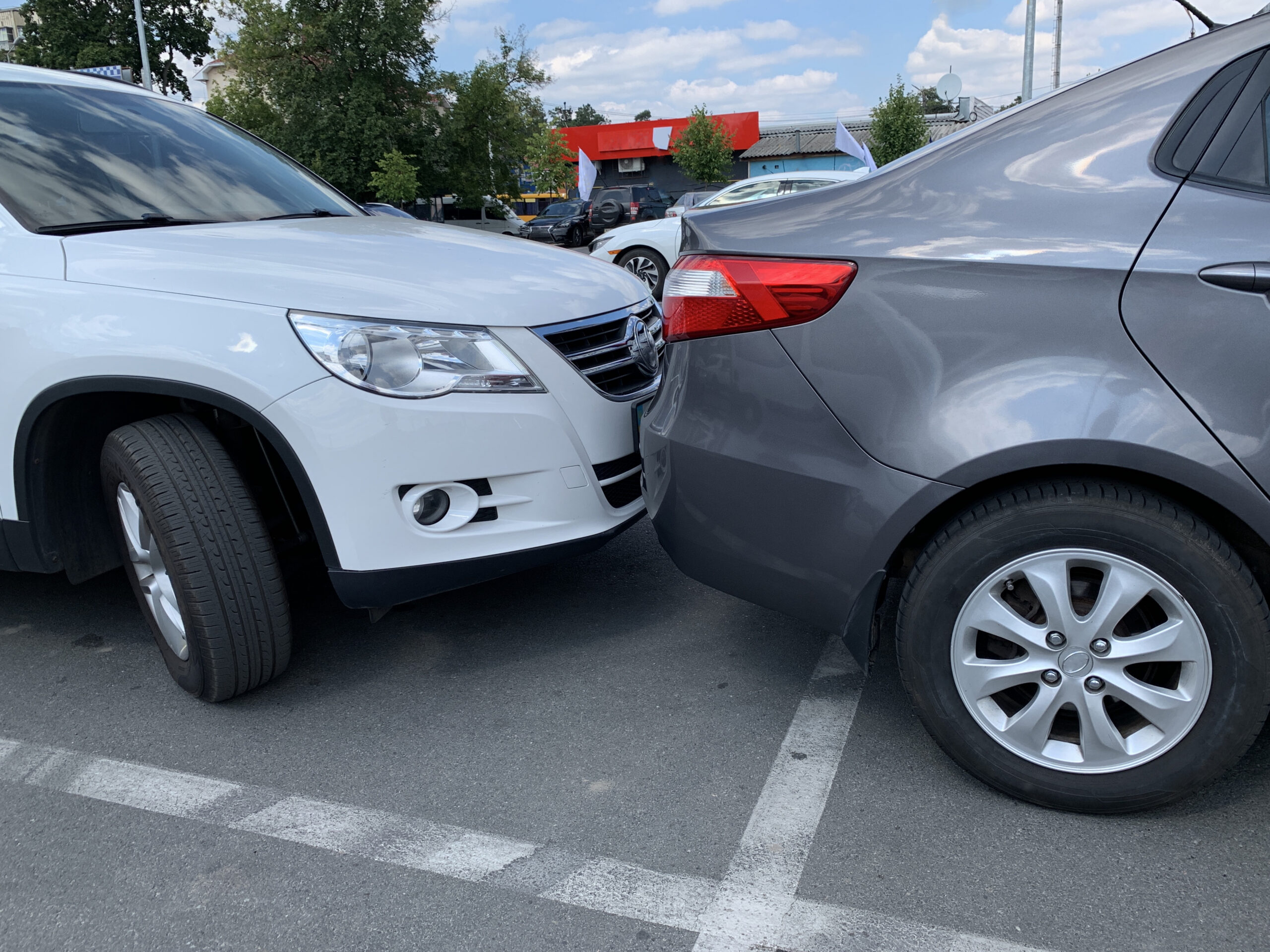
Parking lot accidents happen every day in Colorado. They happen outside grocery stores, shopping centers, office buildings, apartment complexes, schools, hospitals, and parking garages.
At first, these crashes may seem minor. The cars may have been moving slowly. The damage may not look severe. You may even feel okay right after the crash.
But parking lot accidents can be more complicated than they seem.
You may be dealing with neck pain, back pain, headaches, missed work, car repairs, and calls from insurance adjusters. You may also be wondering the biggest question of all: who is at fault in a parking lot accident?
The answer depends on the facts. Right-of-way, backing movements, speed, traffic signs, driver attention, and Colorado car accident laws can all matter.
At Beem & Isley, we take these cases seriously. Even a low-speed crash can cause lasting injuries. If you were hurt in a parking lot collision, call (303) 894-8100 for a free consultation.
Parking lots are full of moving parts. Cars are pulling in. Cars are backing out. People are walking between vehicles. Drivers are looking for open spaces. Some drivers are watching for pedestrians, while others are distracted by phones, kids, shopping carts, or GPS directions.
This can make fault hard to sort out. A parking lot accident may involve:
You may assume insurance will sort it out quickly. But parking lot accident insurance claims are often disputed. One driver may blame the other. An insurance company may say both drivers share fault. Another company may argue the crash was too slow to cause real injuries.
That is why a careful investigation matters.
There is no single rule that decides every parking lot accident. Fault depends on what each driver was doing and whether they acted with reasonable care.
In general, drivers must watch for other vehicles, obey signs and lane markings, yield when required, and drive at a safe speed.
Many parking lots have main lanes and smaller parking lanes. A driver in a main travel lane may have the right-of-way over a driver pulling out of a parking space. A driver backing out usually has a duty to make sure it is safe before moving.
But the details matter.
For example, a driver in the travel lane may still share fault if they were speeding, distracted, driving the wrong way, or ignoring a stop sign. A driver backing out may share fault if they failed to look carefully before reversing.
Not always.
A backing driver is often blamed because that driver must check for traffic before leaving a parking space. But fault is not automatic. If another driver was speeding through the lot, texting, driving the wrong way, or ignoring lane markings, that driver may share fault too.
When two cars back out at the same time, fault can be split. Investigators may look at which driver started backing first, which driver had a better view, where the damage is located, and whether either driver had time to stop.
In many cases, both drivers may share some responsibility.
Yes. Colorado uses a modified comparative negligence rule. In plain English, this means your compensation can be reduced by your percentage of fault. If you are 50% or more at fault, you may not be able to recover compensation.
That rule makes fault disputes very important. Even a small shift in fault can affect the value of your claim.
Parking lot accidents can happen in many ways. Below are some of the most common types of parking lot crashes and how fault is often evaluated.
This is one of the most common parking lot collision scenarios.
Both drivers may be leaving spaces across from each other. Both may be looking behind them. Both may move at the same time and collide in the lane.
Insurance companies often argue that both drivers share fault. But that is not always the right answer.
Important evidence may include:
A lawyer can help review the evidence and push back if an insurer assigns unfair blame.
A driver leaving a parking space usually needs to yield to cars already moving through the lane.
If a driver backs out without looking and hits a passing vehicle, the backing driver may be at fault.
But the moving driver’s actions still matter. If that driver was speeding, looking at a phone, or driving the wrong way, fault may be shared.
Rear-end crashes can happen in parking lots too. One driver may stop for a pedestrian, shopping cart, speed bump, or another vehicle. The driver behind may fail to stop in time.
In many rear-end crashes, the rear driver is often considered responsible because drivers should leave enough room to stop safely. But exceptions can apply, especially if the front driver stopped suddenly for no clear reason or reversed unexpectedly.
Visit our car accident page to learn more.
Parking lots are not highways. Drivers should move slowly and watch for people, vehicles, carts, and open car doors.
A driver who speeds through a parking lot may be at fault for a crash, even if another driver also made a mistake. Speeding reduces reaction time and makes it harder to avoid a collision.
Speed can also make injuries worse. A crash that happens at 15 or 20 miles per hour can still cause pain, especially when the body is hit at an awkward angle.
Parking lots are full of pedestrians. People walk to and from stores. Parents walk with their children. Workers push carts. Some people may be harder to see between parked cars.
Drivers must watch carefully and yield when required.
A pedestrian accident in a parking lot can cause serious injuries, including broken bones, head injuries, knee injuries, and back injuries. These cases may involve drivers, property owners, or other responsible parties depending on what happened.
Parking garage accidents can be especially confusing. Drivers may deal with tight turns, ramps, poor lighting, blind spots, unclear signs, and narrow lanes.
Common parking garage accidents include:
Fault may depend on driver behavior, signage, lighting, and whether the property was safely maintained.
Some drivers relax too much in parking lots. They may check a text, look for a store entrance, answer a call, or search for a parking space instead of watching the lane.
That distraction can cause a crash.
A distracted driver may fail to see brake lights, pedestrians, backing cars, or stop signs. Phone records, witness statements, and video footage may help show distraction if fault is disputed.
Fault is proven through evidence. Because many parking lot crashes happen at low speeds and in busy areas, evidence can disappear quickly.
That is why it is important to document the scene as soon as possible.
Useful evidence may include:
Many parking lots have cameras. Stores, apartment buildings, office complexes, and parking garages may have video that shows the crash.
But video may not be saved for long. Some businesses delete or record over footage quickly.
If you were injured, it is smart to speak with an attorney early. A lawyer may be able to request that important footage be preserved before it disappears.
Damage patterns may help show how the crash happened.
For example, rear damage may support a rear-end claim. Side damage may show that one car entered a lane when it was not safe. Damage to the back corner of both cars may suggest two drivers were backing at the same time.
Photos are important. Take them before repairs begin if you can.
Parking lot accidents often happen in front of shoppers, workers, security guards, or other drivers. A witness may be able to explain which car was moving, which driver had the right-of-way, or whether someone was speeding.
Get witness names and phone numbers at the scene when possible.
Yes, you may be able to recover compensation after a parking lot accident if another person’s negligence caused your injuries.
Negligence means someone failed to use reasonable care. In a parking lot case, that could mean backing out without looking, speeding, failing to yield, texting, or ignoring signs.
Compensation may include money for:
Do not assume your case has no value just because the crash happened at low speed. “Low-speed” does not always mean “low-impact” for the human body.
A sudden hit can strain the neck, back, shoulders, and spine. Pain may not appear until hours or days later.
Some people walk away from a parking lot crash thinking they are fine. Later that day, or the next morning, they may feel stiff, sore, dizzy, or in serious pain.
Common injuries include:
It is important to get medical care if you feel pain or notice symptoms. A doctor can help protect your health and create a record of your injuries.
Medical records also help connect your injuries to the crash.
For broader injury claim information, visit our Denver Personal Injury page.
Insurance companies often downplay parking lot accidents. They may argue the crash was too minor to cause injuries. They may say you were partly at fault. They may claim your pain came from something else.
These arguments can be frustrating, especially when you know how much the crash has affected your life.
Common insurance arguments include:
This is one reason trial-ready representation matters.
At Beem & Isley, we prepare cases carefully from the start. We look at liability, evidence, injuries, medical care, insurance coverage, and the full impact on your life. We do not treat injury cases like files on a conveyor belt.
We understand that a crash can affect more than your car. It can affect your sleep, your work, your family, your finances, and your peace of mind.
Beem & Isley is a boutique litigation firm. That means you can expect serious legal work and personal attention.
At our firm, you work with experienced trial attorneys, not a revolving team of case managers. We prepare every case as if it may need to go to trial, even when the goal is a fair settlement.
Clifford Beem has been a trial lawyer in Colorado for more than 50 years and has tried more than 200 District Court trials to conclusion, according to the firm’s attorney biography. Danielle Beem’s biography also explains that she was injured in a car accident at age 17, which gives her a personal understanding of how an accident can affect a client’s life.
That experience matters.
Parking lot accident cases can be harder than they look. The insurance company may not take your injuries seriously. Fault may be disputed. Video may need to be found quickly. Medical records may need to be explained clearly.
We take the time to build a strong, clear case from day one.
After a parking lot accident, try to stay calm and protect your health first. Then take steps to protect your claim.
If you are hurt, get medical help right away. If pain shows up later, do not ignore it. Delayed symptoms are common after car accidents.
If someone is hurt, call the police and report the crash. A police report can help document what happened.
Take pictures of:
Photos can help later if the other driver changes their story.
Get the other driver’s name, phone number, license plate, driver’s license information, and insurance information.
Also get contact information from any witnesses.
Check nearby stores, parking garage cameras, security cameras, or dashcams. Video may be one of the best ways to prove fault.
Insurance adjusters may seem friendly, but their job is to protect the insurance company. Do not guess about fault. Do not downplay your injuries. Do not accept a quick settlement before you understand your medical needs.
Once you settle, you may give up the right to ask for more money later. Before signing anything, talk with a lawyer who understands Colorado parking lot accident claims.
You do not have to deal with insurance companies alone.
If you were injured in a parking lot car accident in Colorado, Beem & Isley can help you understand your rights, investigate fault, and protect your claim. Even seemingly minor crashes can lead to serious pain, medical bills, missed work, and long-term stress.
Talk with an experienced Colorado trial attorney today.
Call (303) 894-8100 for a free consultation, or visit us online.
No. Colorado is an at-fault state for car accident claims. This means the person who caused the crash may be responsible for the harm they caused. In parking lot cases, fault may be disputed and may be split between more than one driver.
If the other driver left, report the crash and gather as much evidence as possible. Take photos, look for cameras, ask witnesses for contact information, and notify your insurance company. A lawyer can also help investigate whether video or other evidence can identify the driver.
You may be able to bring a claim or lawsuit if another person’s negligence caused your injuries. This may include medical bills, lost wages, pain and suffering, and other losses. The strength of the case depends on fault, evidence, injuries, and insurance coverage.
You should call police if anyone is injured, if there is major damage, if the other driver leaves, or if there is a dispute about what happened. A police report can help document the accident.
Both drivers can share fault under Colorado law. If you are partly at fault, your compensation may be reduced by your percentage of responsibility. If you are 50% or more at fault, you may be barred from recovery.