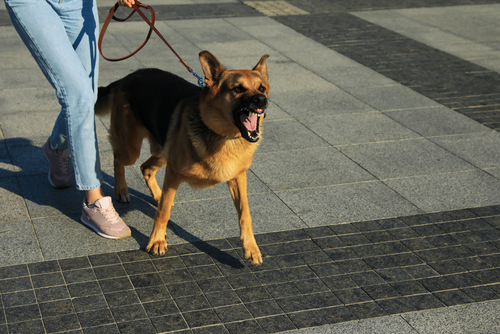
A dog attack can leave you managing painful injuries, unexpected bills, and anxiety about returning to ordinary activities. When the dog belongs to a neighbor or friend, the situation can feel even more complicated. You may need help paying for treatment without knowing where to begin.
At Beem & Isley, we help injured people understand their options and pursue compensation supported by the evidence. Our Denver dog bite lawyers can investigate what happened, identify available insurance, and handle the demands of the claim while you focus on recovery.
You do not need to decide whether to sue before speaking with us. Our personal injury attorneys can review the circumstances and explain a practical path forward during a free consultation.
Understanding Colorado Dog Bite Laws
Colorado provides more than one potential legal basis for a dog bite claim. The applicable rules depend on the injury, the circumstances of the attack, and the conduct of the people responsible for the dog.
Under Colorado’s dog bite statute, C.R.S. § 13-21-124, a person bitten while lawfully on public or private property may pursue economic damages from the owner when the bite causes serious bodily injury or death. This statutory claim does not require proof that the dog previously bit someone or that the owner knew it was dangerous.
The statute includes exceptions, and its definition of serious bodily injury matters. A less severe injury does not necessarily eliminate every legal option. Negligence or other applicable legal theories may support a claim, depending on the facts.
Who Is Liable for a Dog Bite Injury in Colorado?
The registered owner is an important starting point, but responsibility can extend beyond a name on a license. Colorado’s statutory definition of an owner includes certain people or businesses possessing, keeping, or controlling the dog.
We examine who had custody, what precautions were taken, and whether earlier incidents or warnings are relevant. Claims involving a property owner or another party require their own legal analysis. Neither property ownership nor simply being nearby automatically makes someone responsible.
Common Injuries Caused by Dog Bites and Attacks
Bites can cause puncture wounds, torn skin, scarring, and damage that requires continuing treatment. An attack may also knock someone to the ground, creating additional injuries that need separate evaluation.
The CDC’s guidance on dog bites explains that even wounds that appear minor can spread germs. Seek prompt medical advice about the wound, infection risk, and any necessary rabies or tetanus precautions. Severe bleeding or other emergency symptoms require immediate care.
Our investigation considers the full injury picture, including a possible brain injury after a fall and lasting physical limitations. Medical documentation helps distinguish temporary symptoms from conditions that may require future treatment or rehabilitation.
Dog Bites Involving Children
When a child is bitten, parents often face both immediate treatment decisions and uncertainty about lasting scars or emotional distress. A child may need support returning to school, playing outdoors, or feeling comfortable around animals again.
We approach these cases with patience and consider future needs supported by medical evidence. Parents should avoid assuming that an early payment covers everything their child may require. Claims and settlements involving minors can involve special procedures, which we can explain before decisions are made.
What Compensation Can You Recover After a Dog Bite?
Your claim should reflect documented losses rather than only the first emergency room bill. Depending on the applicable legal theory, recoverable compensation may include:
- Medical expenses, rehabilitation, and supported future care costs.
- Lost income and reduced earning ability.
- Pain, emotional distress, scarring, and other nonfinancial harm where legally available.
The statutory dog bite claim addresses economic damages. Additional damages may be available through other valid claims; they are not automatic. In cases involving catastrophic injuries, long-term care and work limitations deserve particularly careful evaluation.
We look beyond billing totals to understand how the injuries affect your work, household responsibilities, and activities. Keeping a dated record of those changes can help you describe your experience accurately. When future losses are disputed, we consider whether medical or other professional assessments are needed to support the amount requested.
How Insurance Pays Dog Bite Claims in Colorado
A homeowner’s, renter’s, or other liability policy may provide coverage, depending on the policy and circumstances. Exclusions, coverage disputes, and policy limits can affect the available recovery.
We review insurance information and communicate with adjusters so you do not have to manage repeated requests alone. Before you sign a release or give a detailed recorded statement to another party’s insurer, we can explain how that decision may affect your claim.
What Is a Typical Payout for a Dog Bite?
There is no reliable standard payout for your individual case. Injury severity, future care, liability evidence, available coverage, and the applicable damages rules all matter.
An online average cannot show what your losses are worth. We build the claim around your records and circumstances and explain the strengths and limitations of a proposed settlement.
Is It Worth Suing for a Dog Bite in Denver?
Legal review can be worthwhile when an attack causes medical expenses, missed work, scarring, or ongoing symptoms. Whether a lawsuit makes sense requires a closer assessment of responsibility, recoverable damages, available insurance, and the practical costs of proceeding.
Some claims can resolve through negotiation. Others require litigation when responsibility is disputed or a reasonable agreement cannot be reached. At Beem & Isley, we explain those options and their tradeoffs so you can make an informed decision without feeling pressured into a particular course.
How Much Does a Lawyer Cost for a Dog Bite Case?
We offer a free case review, so you can discuss the attack without paying for that initial conversation. Before representation begins, we can explain the proposed fee arrangement and how case expenses would be handled.
Ask what you would owe, when payment would be due, and how any recovery would be distributed. Clear answers help you evaluate the financial side of hiring counsel.
How Our Denver Dog Bite Attorneys Approach Your Case
We begin by listening to your account and identifying the information needed to evaluate the claim. That may include medical records, photographs, witness statements, animal control reports, and available video.
We also examine where the attack occurred, why you were there, and who controlled the dog. If the other side alleges provocation or another defense, we assess the evidence instead of accepting an unsupported account. Colorado’s civil jury instructions on animal injuries reflect why the precise facts and legal theory matter.
Our work includes documenting treatment and income losses, assessing future needs, and presenting a supported demand. We negotiate with insurers and prepare for litigation when appropriate. Throughout the process, we explain important decisions and help you avoid mistakes such as settling before the likely scope of your injuries is understood.
Steps That Can Help Protect Your Claim
Medical care comes first. When you can safely do so, gather the owner’s contact information, photograph your injuries and the location, and keep witness details. Save treatment records, bills, missed-work information, and messages about the attack.
Denver Animal Protection’s reporting guidance directs people to report bites where they occurred. Report a Denver bite promptly, and do not put yourself at risk trying to capture or approach the animal.
Why Choose Beem & Isley as Your Denver Dog Bite Lawyers?
You deserve advice that considers both the legal claim and the disruption to your daily life. We focus on understanding your injuries, explaining your options in plain language, and taking on the work of gathering evidence and dealing with insurers.
You can bring the documents you have and ask questions about what is missing. We help organize the next steps instead of expecting you to investigate everything yourself.
Learn more about Beem & Isley and speak with us about your concerns. We can help you assess whether a claim is viable and what pursuing it may involve, without promising a particular recovery.
Talk With a Denver Dog Bite Lawyer
Let Beem & Isley help you understand what comes next. Call (303) 894-8100 or contact us for a free case review to discuss your injuries and legal options.
Frequently Asked Questions About Denver Dog Bite Claims
Can I Have a Claim If the Dog Never Bit Anyone Before?
Yes, potentially. A prior bite is not required for Colorado’s statutory claim when its other requirements are met. Evidence about earlier behavior may still matter under other legal theories.
How Long Do I Have to File a Lawsuit?
Colorado generally applies a two-year limitations period to these injury claims under C.R.S. § 13-80-102. Exceptions and special circumstances can change the analysis, including claims involving minors. Contact us promptly rather than assuming that an insurance claim preserves the lawsuit deadline.
What If I Know the Dog’s Owner?
You can ask about your options without committing to a lawsuit. An available insurance policy may respond to the claim. We can help you understand coverage and discuss the practical concerns that come with pursuing compensation from someone you know.