

Contact us
Get Your Free Consultation
Initial consultations are free, and we offer evening and weekend appointments upon request. Let us know what you’re going through and we’ll reach out with your next steps.


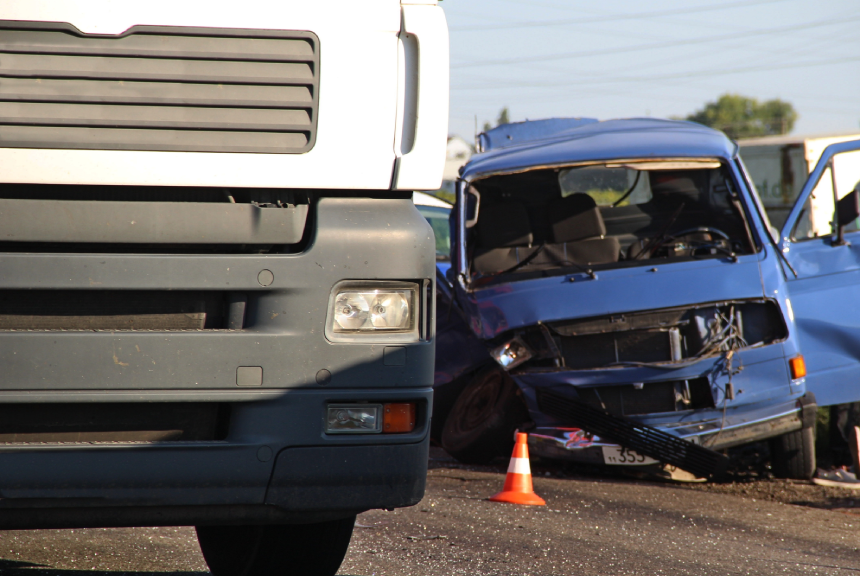
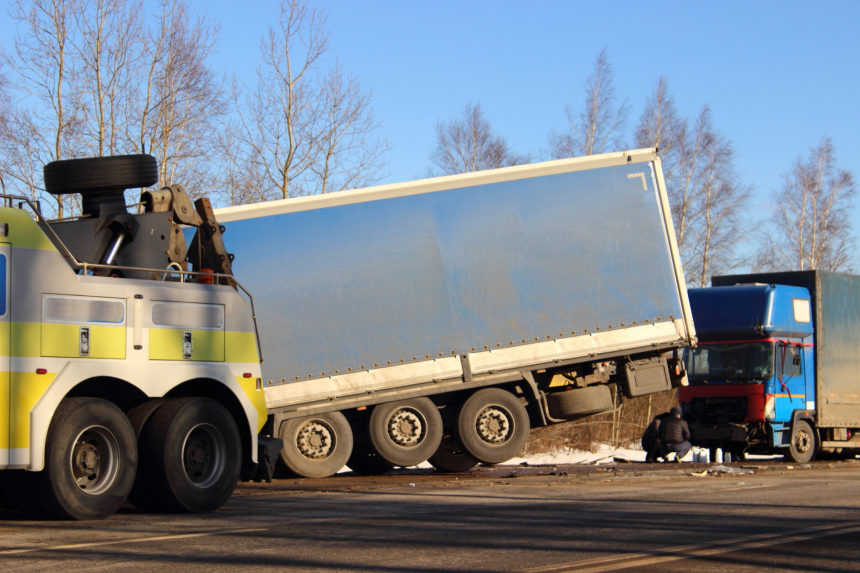
Truck accidents are not just bigger car accidents. They involve different risks, rules and legal issues that can affect how fault and compensation are handled in Colorado.
The biggest difference is size. A full-load commercial truck can weigh up to 80,000 pounds. Most cars weigh about 3,000 to 4,000 pounds. That gap makes crashes more dangerous. Truck accidents often lead to:
Because of this, people hurt in truck accidents often face higher medical bills and longer recovery times.
In most car accidents, one driver is usually at fault. Truck accidents are different because several people or companies may be involved. Possible responsible parties include:
Colorado uses a rule that reduces compensation if you share fault. If multiple parties are involved, figuring out who did what becomes more important.
Commercial trucks must follow stricter safety rules than regular cars. Colorado Revised Statutes section 42-4-235 requires trucks on state roads to meet safety standards set by the Colorado State Patrol. Violating these rules can lead to penalties and may also be used as evidence after a crash.
This matters because a truck accident may involve more than a traffic mistake. Poor inspections, missed maintenance or unsafe equipment can all play a role. Regular drivers are not held to these same standards.
Truck accident cases often involve serious injuries, multiple responsible parties and complex safety rules. Because of this, many people choose to speak with an attorney to understand how the law applies to their situation. Looking at how standard car accident claims work can also help put things into perspective.
Understanding the differences can help you make informed decisions as you consider your next steps.